UX Designer — Mumbai
Trained to build.
Still asking where it came from.
Engineering taught me that every feature has an origin story: a complaint, a gap, a decision someone made quietly. I crossed into design to be in that room earlier. Now I work backwards from why before I work forwards into how.

01 my story
"Engineering often felt like joining after the menu had already been decided."
"I wanted a seat at the table where the menu was being created."
I got into design through engineering. Before I was ever thinking about user experience, I was the one building and maintaining the system, so I have a pretty grounded sense of how design decisions actually play out once they hit code. I spent over two years as a software engineer, writing, testing, and supporting real products in production. The building itself taught me a lot, but it wasn't where my attention kept going.
What pulled at me most was what happened before any of it started. How did the team land on this problem in the first place? What told them it was worth solving? Why this approach over the other three that got discussed and dropped? I started showing up to those conversations even when I didn't technically need to, sitting in on calls I wasn't invited to and asking more questions than my role called for. That curiosity eventually became my job.
02 my path
foundation
Engineering
Learned how systems are built, tested, and maintained from the inside.
first role
Software engineer
2+ years building and supporting products, then asking harder questions.
the shift
ux designer
Started shaping solutions, not just building what was handed down.
Now
Balancing all three
User needs, business goals, and technical realities — in the same room.
03 how i think
01
Why before how
I'm often more interested in the problem than the solution. How it emerged, who it affects, and why it matters, that's where the real opportunities hide.
02
Want versus can
The best solution isn't always the most ambitious one. My engineering background helps me weigh user needs against constraints and timelines to find what can actually move forward.
03
Systems over screens
Good experiences don't exist in isolation. The screen is often the visible outcome of a much larger system: workflows, dependencies, constraints, and the relationships between them.
04
Plan for what breaks
Real users rarely follow the happy path. Exceptions, failures, and unexpected scenarios, especially in complex enterprise products, are where small gaps create significant friction.
04 Beyond screen


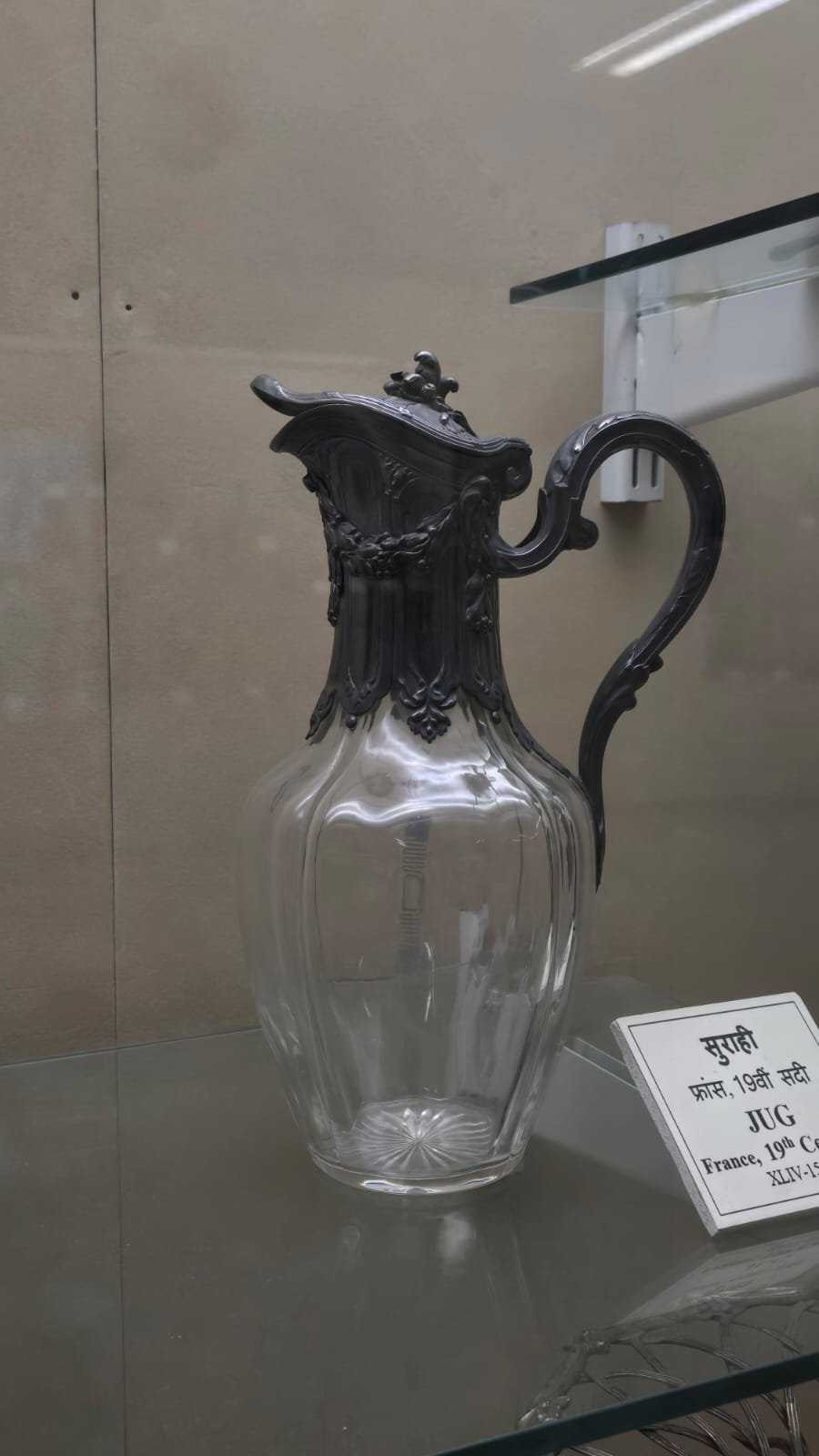


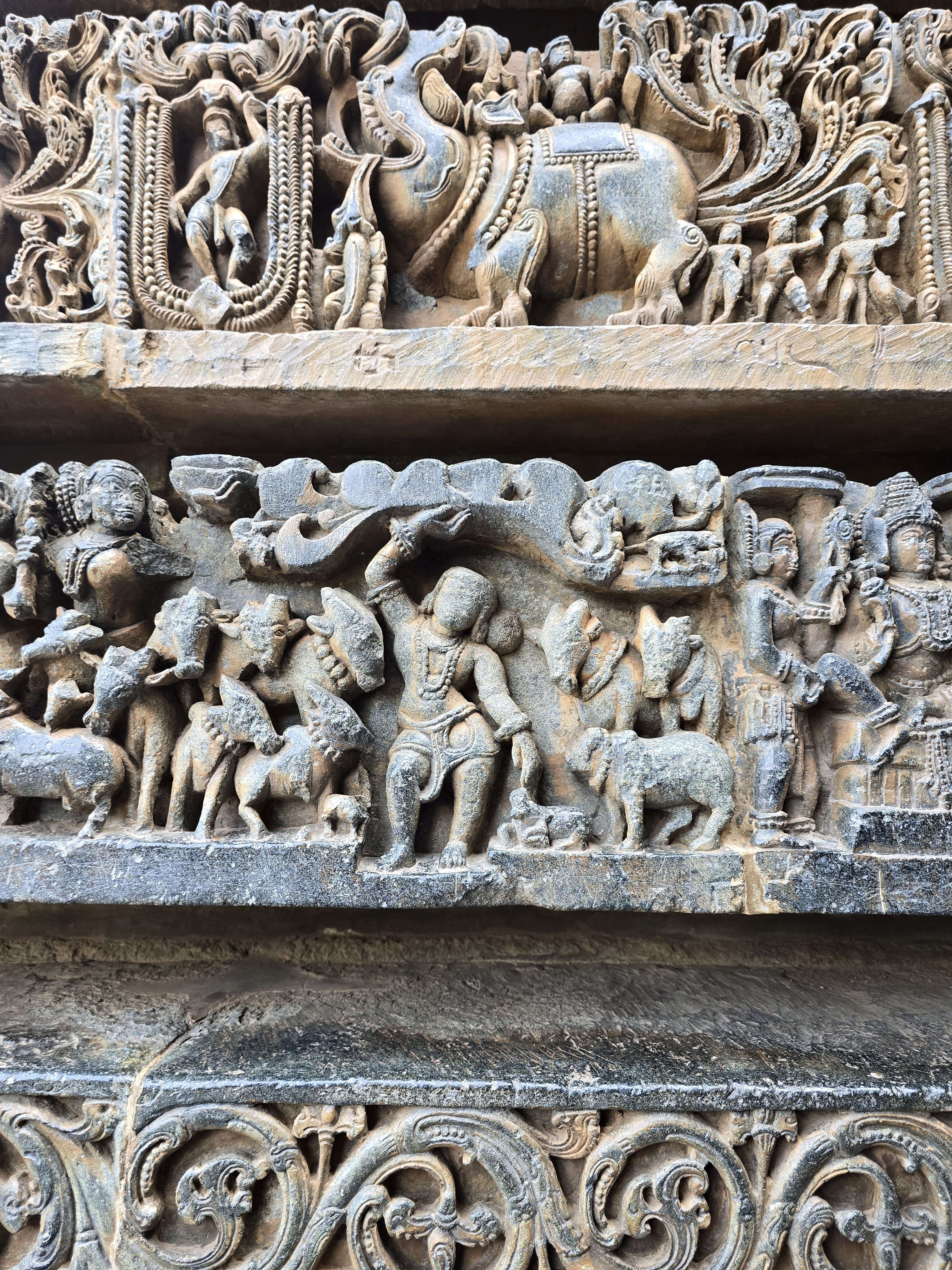




Stories, places, details.
Curiosity doesn't really switch off for me outside of work. You'll usually find me in museums, galleries, or historical sites, getting lost in old histories and forgotten eras, or looking for something worth photographing.
Travel is mostly just another excuse to follow the same curiosity. And somewhere along the way, there's usually a cup of chai involved.